Yala vs Udawalawe vs Wilpattu: which safari to choose
Yala for leopards, Udawalawe for elephants, Wilpattu for quiet forest and sloth bears. How the three big Sri Lanka safaris compare, when to go and which one fits your route.
By VisitLanka teamUpdated 7 min read
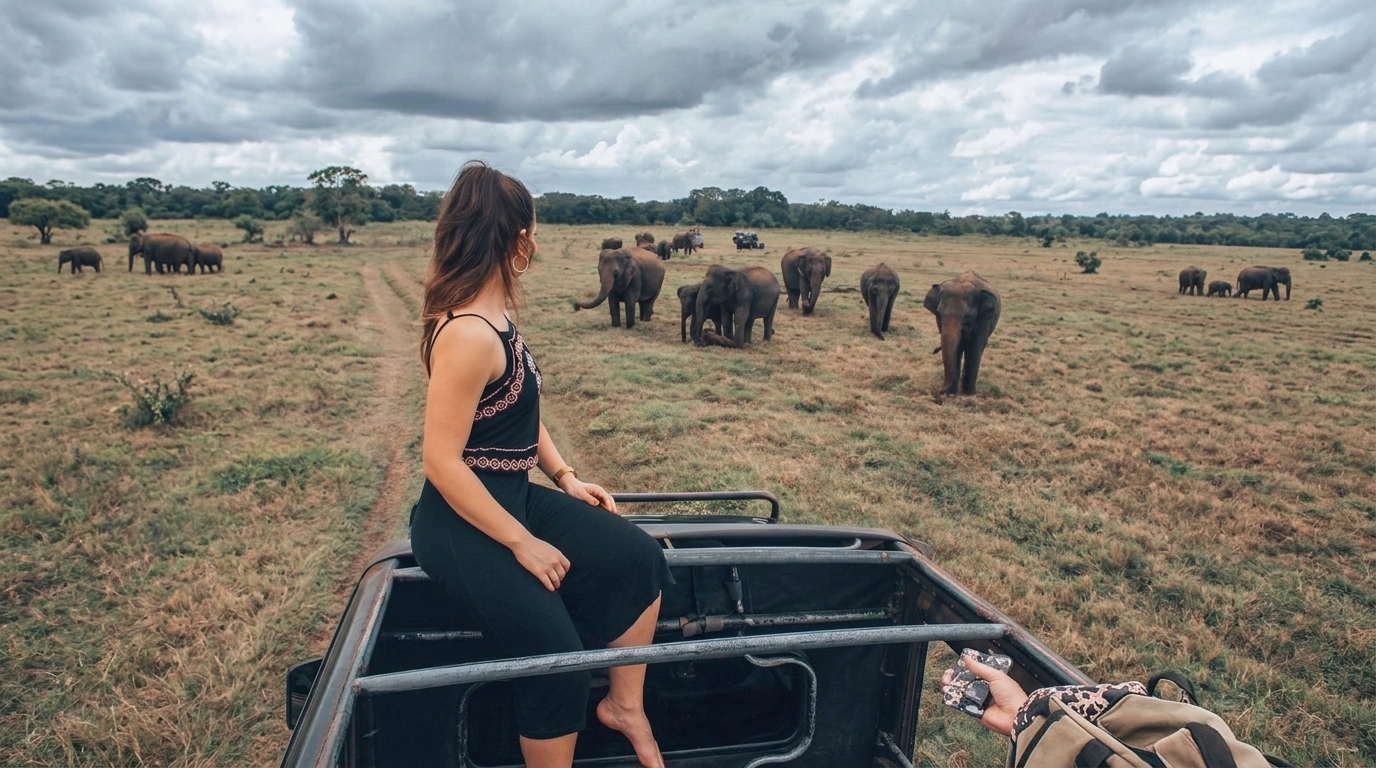
Pick Yala if leopards are the whole point and you're already on the south coast. Pick Udawalawe if you want near-certain elephant herds and an easy stop between Ella and the beaches. Pick Wilpattu if you'd trade a busier sighting for quiet tracks, forest and a real chance of leopard and sloth bear. Most first-time visitors only have time for one, so the right park usually comes down to your route, not the wildlife.
Yala, Udawalawe and Wilpattu compared
| Yala | Udawalawe | Wilpattu | |
|---|---|---|---|
| Best for | Leopards | Elephants | Leopards, sloth bears, solitude |
| Landscape | Dry scrub, rock outcrops, lagoons, coast | Open grassland around a reservoir | Dense forest dotted with lakes (villus) |
| Crowds | Heavy in Block 1 | Moderate | Light |
| Fits a route with | South coast, Ella, Tissamaharama | Ella, south coast, Ratnapura | Anuradhapura, Kalpitiya, Colombo |
| Best months | February to July (closes for part of most dry seasons) | Year-round | May to early October |
| Safari length | Half day is enough for most people | Half day | Full day if you can |
Yala: the leopard park, with a crowd to match
Yala National Park is Sri Lanka's best-known safari, and for one reason. Block 1, the part most jeeps visit, has one of the highest densities of leopards anywhere, along with elephants, sloth bears, crocodiles and lagoons that run down to the sea.
The catch is the traffic. When a leopard is spotted in Block 1, word travels by phone and a queue of jeeps forms around the tree within minutes. Some people find this fine. Others find it spoils the moment. If you're in the second group, ask your operator about the quieter blocks, such as Block 5 on the northern side, which gets a fraction of the vehicles but fewer leopard sightings.
Most safaris start from Tissamaharama or the hotels near Kirinda. It's an easy add-on to a south-coast trip, around two hours from Mirissa or Tangalle.
Check before you go: Yala's dry-season closure
Blocks 1 and 2 close for several weeks in many dry seasons so that wildlife can get through the drought with less disturbance. In 2026 the Department of Wildlife Conservation closed them from 14 September to 15 October. The dates move each year and are usually announced a few weeks ahead, so if you're travelling in August, September or October, confirm with your operator before you book a room near the gate.
Udawalawe: the easiest elephants in Asia
Udawalawe is the safari to choose if seeing wild elephants is non-negotiable. The park wraps around the Udawalawe Reservoir, and its open grassland means herds are easy to spot and stay visible for long stretches, not just a flash of grey through the trees. Water buffalo, spotted deer, crocodiles and a long list of birds fill the gaps.
Leopards live here too, but they're shy and the open landscape doesn't help. Come for elephants and treat anything else as a bonus.
Udawalawe works year-round because it doesn't rely on a single dry-season pattern the way the others do. It's also the most convenient of the three: about two hours from Ella and a similar drive from the south coast, so many travellers do a morning safari on the travel day between the hills and the beach.
Feeding sessions have been around 9am, noon, 3pm and 6pm, but confirm times locally before planning your day around one.
Wilpattu: big, quiet and slower to give up its animals
Wilpattu is Sri Lanka's largest national park, about 30 km west of Anuradhapura. The park is named for its villus, the 40-plus natural lakes scattered through the forest, and that is where most of the wildlife action happens.
The forest is denser than at Yala, so animals are harder to find. In return you might spend twenty minutes alone with a leopard while your driver turns the engine off. Sloth bears are more likely here than in the other two parks, especially from May to July when the palu trees fruit. Elephants are around but less common than at Udawalawe.
The best months are roughly May to early October, when the dry season pulls animals to the remaining water. December and January bring rain and more visitors from the domestic holidays.
Wilpattu sits naturally on a Cultural Triangle route, combined with Anuradhapura, or on the west coast with Kalpitiya for dolphins and kitesurfing.
Which safari fits your route?
For most people, geography decides. Here's how we'd choose.
- Ella to the south coast: Udawalawe sits right on the way. If you also want leopards and have a spare night, add Yala and stay in Tissamaharama.
- South coast only: Yala, with Udawalawe as a second choice if you're happy with a longer drive.
- Cultural Triangle (Sigiriya, Anuradhapura, Dambulla): Wilpattu.
- Colombo with only a few days: Wilpattu and Udawalawe are both around four hours away. Wilpattu is the better day if you care more about the experience than the checklist.
- Short trip with kids in the car: Udawalawe. Elephants keep children happy, and the drive from the south is manageable.
Whatever you pick, a good safari operator matters more than the park. A driver who keeps distance, switches off the engine and doesn't join a jeep scrum will give you a better morning in a "worse" park. If you'd like the whole route to work around one safari, you can line up a driver for the trip and add the park to your plan here: Start planning your trip.
How to have a responsible safari
All three parks are run by the Department of Wildlife Conservation, and the rules are the same: stay in the jeep, stay on the track, don't feed animals and keep noise down. A few habits help even more.
- Ask your driver not to crowd a sighting. If six jeeps are already there, wait or move on.
- Never pay extra to drive off-track or chase an animal.
- Skip any elephant rides or bathing experiences sold nearby. Watching wild herds in Udawalawe is the better version of the same thing.
- Bring water, a hat and a light layer. Morning jeeps can be cool, and the midday sun is fierce.
For more parks, including Minneriya's elephant gathering and the birdlife of Bundala, see our guide to safaris in Sri Lanka.
Frequently asked questions
Which is better, Yala or Udawalawe?
Yala is better for leopards, Udawalawe is better for elephants. Yala is busier and has more variety; Udawalawe is calmer, more reliable for herds and easier to fit between Ella and the beaches. If you can only do one and leopards aren't your priority, Udawalawe is the safer bet.
Is Wilpattu better than Yala for leopards?
Yala has more leopard sightings, but Wilpattu's sightings tend to be quieter, with far fewer jeeps around. If you value a calm encounter over a higher hit rate, Wilpattu is the better experience. Allow a full day to give yourself a fair chance.
Can you see leopards at Udawalawe?
Leopards live in Udawalawe, but sightings are uncommon. The park's strength is elephants, and many visitors see dozens in one drive. Plan for elephants and treat a leopard as luck.
Is Yala open in September and October?
Not always. Blocks 1 and 2 close for several weeks in many dry seasons, and in 2026 they were closed from 14 September to 15 October. Other blocks often stay open, so check current dates with your operator before you book.
Should I do a half-day or full-day safari?
A half-day morning safari suits Yala and Udawalawe for most visitors. For Wilpattu, a full day is worth it because the best lakes are deep inside a large park. Morning drives usually see more activity than afternoons.
Can I do Udawalawe and Yala on the same trip?
Yes. They're roughly two hours apart, so you can do a morning safari at Udawalawe, drive to Tissamaharama and go into Yala the next morning. It suits travellers heading from Ella to the south coast.
Save the park you picked, add a driver for the drive in and send enquiries straight from your itinerary: Plan your Sri Lanka trip on VisitLanka.