Nature Walks
Nature walks in Sri Lanka: the best rainforest, garden and lakeside trails, when to go, whether you need a guide, leeches, what to wear and trail etiquette.
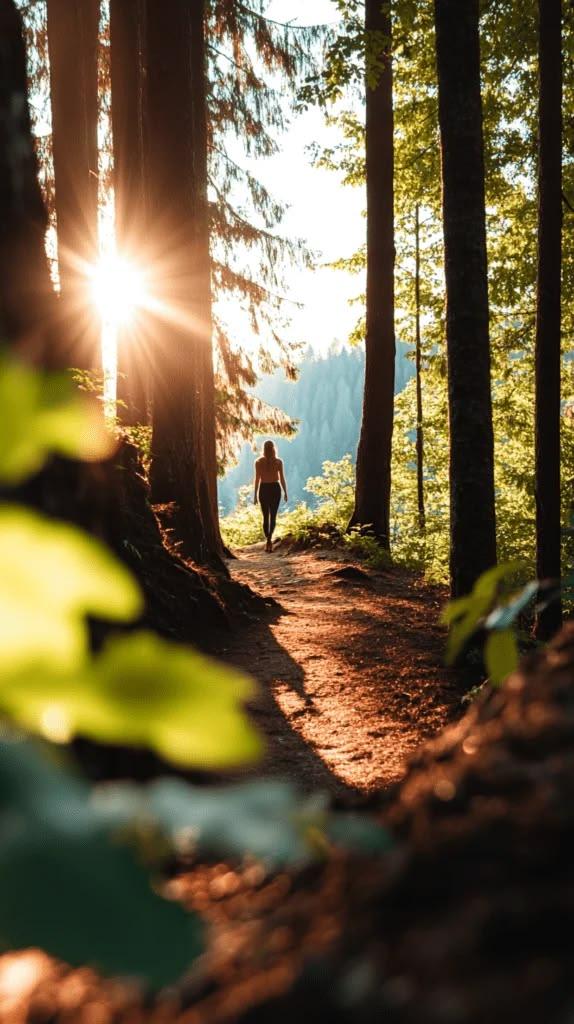
Sri Lanka is one of the easiest places in Asia to walk in real wilderness without being a serious hiker. Rainforest trails, botanical gardens, wetlands, lake loops and tea-estate paths are mostly flat or gently rolling, take one to four hours, and start close to towns you are already visiting. If you want views without the effort of a summit climb, these are the walks to plan around.
Where are the best nature walks in Sri Lanka?
- Sinharaja Forest Reserve: the island's last big patch of primary lowland rainforest and a UNESCO World Heritage Site. Guided trails from the Kudawa Conservation Centre run through giant trees, streams and mixed bird flocks. See the Sinharaja destination guide.
- Udawattakele Forest Reserve: a quiet forest right behind the Temple of the Sacred Tooth Relic in Kandy, with monkeys, birds and shaded paths.
- Royal Botanic Gardens, Peradeniya: wide lawns, a giant Java fig and an orchid house. Flat and easy for all ages.
- Hakgala Botanical Garden: a cool hill-country garden near Nuwara Eliya, at its best in April and May when the roses and flowering trees peak.
- Horton Plains National Park: a 9 km loop across montane grassland and cloud forest to World's End. More of a walk than a hike, but at over 2,000 m.
- Sembuwatte Lake: a spring-fed lake at about 1,070 m on the Elkaduwa tea estate in the Matale district, next to the Campbell's Lane Forest Reserve. Walk the lake shore, then climb into the pine forest and tea rows above it for views over the hills. It is about 90 minutes by road from Kandy, and the last stretch is narrow and steep.
- Beddagana Wetland Park: an 18-hectare urban wetland in Sri Jayawardenepura Kotte, a short drive from Colombo. Boardwalks, a forest trail and bird hides make it the easiest nature walk near the capital, with migrant birds from about August to April.
- Lunuganga: the country garden of the architect Geoffrey Bawa, on Dedduwa Lake near Bentota. Bawa shaped it over about five decades into a series of terraces, lawns, water gardens and framed lake views. Daily guided walks take around an hour and are a calm, shaded change from the beach.
- Kandy Lake and Gregory Lake: easy lakeside loops for a slow evening.
- Tea estates around Ella: walk the railway line to the Nine Arch Bridge or follow estate paths towards Little Adam's Peak.
For longer or steeper trails, see our hiking and trekking guide.
When is the best time for nature walks?
Walks run year-round, but the weather decides how pleasant they are. Sinharaja and the southwest, including Colombo and Bentota, are driest from about December to April and wettest from May to September. The hill country is usually clearest from December to March. The east and north are dry from roughly May to September.
Whatever the season, go early. Birds and animals are most active in the first two hours after sunrise, and cloud and rain tend to build after midday.
Do you need a guide?
For gardens, lake loops, Beddagana and Horton Plains, no. Paths are clear and well used. Lunuganga can only be seen on its own guided garden tour, which runs several times a day. For Sinharaja, a guide is required at the main entrances and is worth having anyway. A good local guide spots green pit vipers, endemic lizards and birds you would walk straight past, and knows which side trails are open after rain. Book through your lodge or find local tour guides on VisitLanka.
Forest reserves, national parks and private gardens charge foreigners an entry ticket, so bring your passport and some cash in rupees.
Leeches, rain and what to wear
Leeches are the one thing everyone asks about. They are common on rainforest trails after rain, harmless, and easy to manage: wear leech socks (sold in Deniyaya, Kudawa and Ella), tuck trousers in, and keep walking rather than standing still on wet leaf litter.
Wear light, quick-drying clothes, trainers or trail shoes with grip, and carry a small rain jacket. Bring water, insect repellent and a dry bag for your phone. In the hill country, including Sembuwatte, add a warm layer for early starts.
How to walk responsibly
Stay on marked paths, take every bit of rubbish back out, and never feed monkeys or other animals. Many trails pass small shrines or start near temples, so cover shoulders and knees when you pass through them. Horton Plains checks bags for plastic at the gate, so carry a reusable bottle. Do not swim in Sembuwatte Lake itself, which is deep and cold; use the separate spring-water pool beside it. Keep your voice down: you will see far more wildlife.
Getting to the trailheads
Kandy, Nuwara Eliya, Ella, Deniyaya, Colombo and Bentota are the easiest bases. Gardens, lakes and Beddagana are a short tuk-tuk ride from town. For Sinharaja, Horton Plains and Sembuwatte, the most reliable option is a car with a driver, because buses are slow or do not reach the trailhead. You can find private drivers on VisitLanka and contact them directly.
Add the walks you like to your route and see them on one map: Plan your Sri Lanka trip on VisitLanka.
Frequently asked questions
What is the easiest nature walk in Sri Lanka?
The Royal Botanic Gardens in Peradeniya, the Kandy Lake loop and Beddagana Wetland Park are flat, shaded in parts and suit any fitness level. Allow two to three hours for the gardens.
Are there nature walks near Colombo?
Yes. Beddagana Wetland Park in Kotte is about 30 minutes from central Colombo in light traffic and has boardwalks and bird hides. Lunuganga near Bentota is an easy day trip along the coast.
Is Sinharaja worth visiting for a nature walk?
Yes, if you want to see a real tropical rainforest. It is the best place on the island for endemic birds, frogs and lizards, but expect humidity, mud and leeches.
Can you visit Geoffrey Bawa's garden?
Yes. Lunuganga, his country estate near Bentota, is open for guided garden tours several times a day, and you do not usually need to book ahead for the standard tour. Private and curator-led tours need an appointment.
Can children do nature walks in Sri Lanka?
Most garden, lake, wetland and short forest walks are fine for children. Horton Plains is manageable for active kids over about eight, but bring warm layers and snacks.
Are there snakes on Sri Lankan nature trails?
Yes, but bites to walkers are rare. Stay on the path, watch where you put your hands, and let your guide go first on forest trails.