Hiking and trekking
Hiking and trekking in Sri Lanka: when to go, the best hill-country trails, guides and permits, leeches, what to pack and trail etiquette for first-timers.
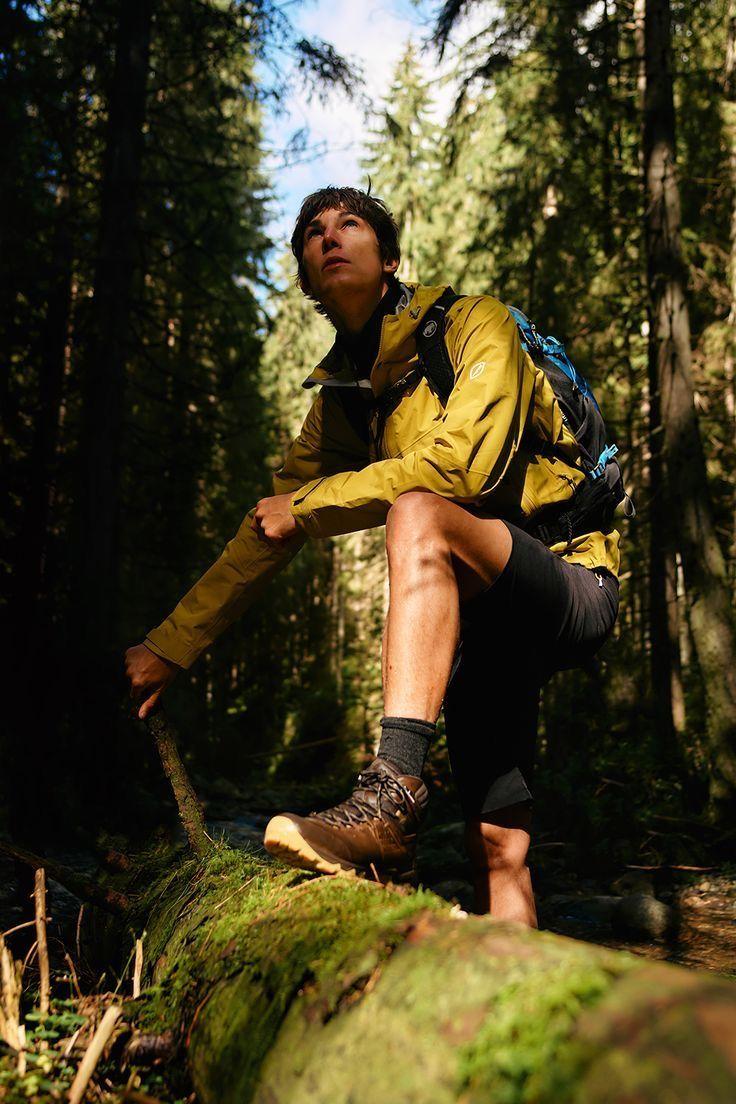
Sri Lanka has hikes for every kind of walker, from a one-hour stroll up Little Adam's Peak to multi-day treks through rainforest and remote mountain villages. Most trails are in the cool central hill country, but the rainforest of the southwest and the dry-zone rocks of the east are just as rewarding if you want to leave the crowds behind.
Where are the best hikes in Sri Lanka?
The trails visitors ask about most:
- Adam's Peak (Sri Pada): a night climb of roughly 5,000 steps to watch sunrise from a sacred summit. Hard on the legs, easy to follow.
- Horton Plains National Park: a 9 km loop across high grassland to World's End, a sheer drop of about 870 m. Gentle, but at over 2,000 m.
- Ella Rock and Little Adam's Peak: two classic Ella walks. Little Adam's Peak is an easy hour; Ella Rock is a half day and easy to get lost on.
- Knuckles Mountain Range: remote ridges, villages and cloud forest north-east of Kandy. Best for experienced walkers with a guide.
- Pekoe Trail: a 300+ km long-distance route in 22 stages from Kandy through the tea country. Walk one stage or link several.
- Pidurangala Rock: a short, steep scramble near Sigiriya with a view of the Lion Rock at sunrise.
- Sinharaja Forest Reserve: a UNESCO-listed lowland rainforest where you walk only with a licensed guide. Short trails from the Kudawa Conservation Centre take a few hours, while the trek to Sinhagala Peak is a full day of about 14 km. The Pitadeniya entrance near Deniyaya is cooler and quieter. See the Sinharaja destination guide.
Off the beaten track
- Meemure and Lakegala: Meemure is one of the most remote villages on the island, about 400 people living deep in the Knuckles range. Above it rises Lakegala, a sheer rock of about 1,310 m tied to the Ravana legend. The climb is steep and not for beginners, so go with a village guide and plan to stay at least one night.
- Mandaramnuwara: a misty farming village at around 1,250 m on the slopes of Pidurutalagala, reached on a winding road from Padiyapelella. Walk to Kolapathana Ella waterfall or camp overnight on the nearby ridges with a local guide.
- Balangoda and Belihuloya hills: the southern edge of the hill country, quieter than Ella. From Kalupahana, the Wangedigala trail climbs through pine forest with views of Bambarakanda Falls, at 263 m the tallest waterfall in Sri Lanka. Estate paths around Belihuloya suit easier half-day walks.
- Riverston: the windswept western side of the Knuckles, about 32 km from Matale. Combine Riverston Peak with Pitawala Pathana, a grassland where a flat 750 m path leads to Mini World's End, a drop of around 300 m. Sera Ella waterfall is a short walk away.
- Nuwaragala: a dry-zone rock of about 658 m near Maha Oya in the Ampara district, with ancient ruins and a rock-cut pool on the summit. The approach through jungle is long and hot, elephants live in the area, and most groups walk with a guide from the Vedda community in Pollebedda and camp in a cave near the top.
When is the best time to go hiking?
For the hill country, roughly December to March is the most reliable window: clearer mornings, less rain and fewer leeches. April can be good but hazy. From May to September the southwest monsoon brings rain and mist to the western slopes, and October to November is often wet across much of the island.
The east is the opposite. Nuwaragala and the dry zone are best from about February to September, when the northeast monsoon has passed, though middays get fierce from May. Sinharaja is driest from about January to April.
Whatever the month, start early. Cloud usually rolls in by late morning, and afternoon showers are common even in the dry season.
Do you need a guide or a permit?
For most popular day walks, no. Little Adam's Peak, Ella Rock, Pidurangala and Adam's Peak in season can all be done on your own.
Horton Plains is a national park, so you pay entry at the gate and stick to the marked loop. Sinharaja can only be entered with a licensed guide. The Knuckles range, including Riverston and the trails around Meemure, sits in a conservation forest: Pitawala Pathana has a Forest Department ticket counter by the car park, and longer routes need a permit and a local guide because paths are faint and fog comes in fast. For Lakegala, Mandaramnuwara and Nuwaragala, a local guide is essential, not optional. You can find local tour guides on VisitLanka.
How long do hikes in Sri Lanka take?
Anything from an hour to several days. Little Adam's Peak and Mini World's End take about an hour. Adam's Peak, Ella Rock and Horton Plains fill a morning. Sinhagala Peak and Wangedigala are full days. Lakegala, Nuwaragala and longer Knuckles or Pekoe Trail routes are best done over two or more days, with a village homestay or a camp.
What should you pack?
Light layers and a rain jacket matter more than heavy boots. Mornings at Horton Plains or the top of Adam's Peak can drop close to freezing, then warm up fast once the sun is out. Trail shoes with good grip are enough for most walks.
Also bring: at least 2 litres of water (much more for Nuwaragala, where there is nowhere to refill), sun cream and a hat, a head torch for sunrise climbs, a small first aid kit, cash in rupees for snacks and tea stalls, and a phone with offline maps. Leech socks are worth buying in Ella, Deniyaya or Nuwara Eliya if you are hiking in the wet months.
Leeches, weather and staying safe
Leeches are common on forest trails after rain. They are harmless but bleed a lot. Leech socks, tucked-in trousers and a little salt or soap on your shoes keep most of them off.
Mist can cut visibility to a few metres within minutes, so stay on the path and turn back if you lose it. Do not swim at the top of waterfalls; currents and slippery rock cause accidents every year. In the dry zone, wild elephants and heat are the bigger risks, so start at first light and follow your guide's lead. Tell your guesthouse where you are going, and carry a charged phone. Signal is decent on most hill-country trails, but patchy in the Knuckles and close to none in Meemure.
Trail etiquette
Many hikes in Sri Lanka pass temples or end at sacred sites. Cover shoulders and knees, take off shoes and hats where asked, and never pose with your back to a Buddha statue. Adam's Peak is a pilgrimage for Buddhists, Hindus, Muslims and Christians, so expect families, elderly pilgrims and chanting on the way up, and give them room.
In villages like Meemure and Pollebedda you are a guest. Ask before photographing people, and buy food or a homestay locally so your visit supports the community. Horton Plains checks bags for plastic at the gate, so carry a reusable bottle. Take all rubbish out with you, keep away from wildlife such as sambar deer and monkeys, and never feed them.
Getting to the trailheads
Ella, Nuwara Eliya, Haputale and Kandy are the usual bases, and the hill-country train links some of them. Matale is the gateway to Riverston, Deniyaya to Sinharaja, Belihuloya to the Balangoda hills, and Mahiyangana or Maha Oya to Nuwaragala. The road to Meemure is rough and needs a four-wheel-drive vehicle.
For early starts and remote trailheads, buses do not run at the right hours, so you will need a tuk-tuk or a car with a driver. Arrange it the evening before; most guesthouses can help, or find private drivers on VisitLanka and contact them directly.
Add the hikes you like to your route and see them on one map: Plan your Sri Lanka trip on VisitLanka.
Frequently asked questions
How long does a typical hike in Sri Lanka take?
Some hikes take a few hours, others several days. Little Adam's Peak is about an hour, Horton Plains a morning, while Lakegala, Nuwaragala and longer Knuckles routes are usually done over two or more days with a camp or homestay.
Is hiking in Sri Lanka hard?
Most popular walks are easy to moderate and suit anyone with average fitness. Adam's Peak is tough because of the steps, and Lakegala and Nuwaragala are the hardest because of steep, unmarked rock and heat.
Can you hike in Sri Lanka in the rainy season?
Yes, but expect slippery paths, leeches and cloudy summits. When the hill country is wet, the east and the dry zone are often clear, so shift your hiking to Nuwaragala or the eastern side of the island.
Is it safe to hike alone in Sri Lanka?
On busy routes like Little Adam's Peak and Adam's Peak in season, yes. For remote areas like the Knuckles, Meemure, Sinharaja and Nuwaragala, go with a local guide.
How long does the Adam's Peak climb take?
Usually 3 to 4 hours up and 2 to 3 hours down. Most people start around 2am to reach the top for sunrise.
Can you camp on hikes in Sri Lanka?
Yes, on several longer routes such as Mandaramnuwara, Wangedigala, Meemure and Nuwaragala, usually arranged through a local guide or operator. Camping is not allowed inside national parks like Horton Plains without permission.