Bird watching
Bird watching in Sri Lanka: where to see the 34 endemic birds, top sites from Sinharaja to Bundala, migrant season, hiring bird guides and what to bring.
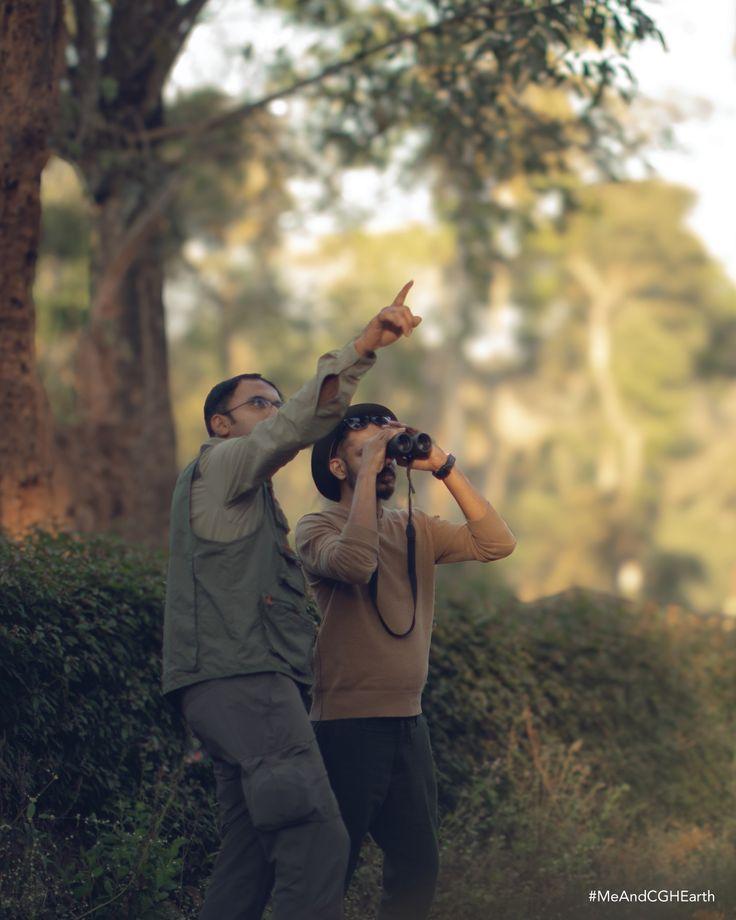
Sri Lanka is one of the best places in Asia for bird watching. More than 400 species have been recorded, and 34 are endemic, found nowhere else on earth. Because the island is small, you can see rainforest, cloud forest, dry-zone scrub and coastal wetlands in a single week, and a well-planned trip with a good guide can find most of the endemics.
Where are the best places for bird watching in Sri Lanka?
- Sinharaja Forest Reserve: the most important site for endemic birds. Famous for its mixed-species feeding flocks, led by the noisy Sri Lanka blue magpie. Base yourself near Kudawa or Deniyaya. See the Sinharaja guide.
- Kitulgala: lowland rainforest along the Kelani River, easier to reach than Sinharaja and good for the Sri Lanka frogmouth and other wet-zone endemics.
- Horton Plains National Park and Victoria Park, Nuwara Eliya: the place for highland endemics such as the Sri Lanka whistling-thrush, bush warbler and white-eye.
- Bundala National Park: a Ramsar wetland near Yala, with flamingos, waders and huge numbers of migrant water birds.
- Yala National Park and Kumana: dry-zone specialists, raptors, painted storks and the Sri Lanka junglefowl, the national bird.
- Udawattakele Forest Reserve in Kandy: a good first morning for common forest birds without leaving town.
When is the best time for bird watching?
Endemic birds are resident, so you can see them year-round. The best overall window is roughly November to April, when migrants from northern Asia and Europe arrive and the southwest rainforests are drier. Wetlands such as Bundala are at their busiest with waders and ducks from about September to March.
Do you need a birding guide?
For a casual look, no. For seeing endemics, yes. Many of the trickiest species, such as the Serendib scops owl, Sri Lanka spurfowl and green-billed coucal, are shy, quiet or nocturnal. Local guides know their calls, their roosts and the exact trees they use. In Sinharaja, a guide is required at the main entrances anyway.
Ask a guide how many endemics they usually find on a trip of your length, and whether they carry a scope. You can find wildlife and safari operators and tour guides on VisitLanka.
What to bring
- Binoculars (8x42 or 10x42 are ideal)
- A field guide or app for Sri Lankan birds
- Leech socks for rainforest sites in the wet months
- Muted clothing, a rain jacket, insect repellent and water
- A warm layer for Horton Plains, where dawn can be close to freezing
How to plan a birding route
A classic route covers three habitats: the wet-zone rainforest (Sinharaja or Kitulgala), the highlands (Horton Plains and Nuwara Eliya) and the dry zone with wetlands (Yala and Bundala). Seven to ten days gives you time for all three without rushing, with at least two mornings in Sinharaja.
Responsible birding
Do not use call playback repeatedly to pull birds in, especially at nests or for owls at roosts. Keep a good distance from nesting birds, stay on paths, and never flash-photograph roosting owls. Inside national parks, follow your jeep driver's rules and do not ask them to drive off-track.
Getting there
Sinharaja, Kitulgala and Horton Plains are all best reached by car, and many birders hire a driver for the whole trip so they can leave before dawn. Find private drivers and places to stay on VisitLanka.
Save your birding sites and lodges on one map: Plan your Sri Lanka trip on VisitLanka.
Common questions
How many endemic birds does Sri Lanka have?
Sri Lanka has 34 endemic bird species under current taxonomy, though some older guides list 33. All are resident year-round.
Where is the best place to see endemic birds in Sri Lanka?
Sinharaja Forest Reserve. It holds most of the lowland endemics, and its mixed-species flocks can show you several in one sighting.
How many days do I need for a birding trip in Sri Lanka?
Seven to ten days covers the main habitats and gives you a good chance at most endemics. Two weeks lets you add Kitulgala and more relaxed mornings.
Can beginners enjoy bird watching in Sri Lanka?
Yes. Colourful, easy birds like bee-eaters, kingfishers, peacocks and hornbills are common, especially on safaris in Yala and Bundala.
What is the national bird of Sri Lanka?
The Sri Lanka junglefowl. It is endemic and fairly easy to see in Sinharaja, Yala and other forest edges.