Culinary experience
Culinary experiences in Sri Lanka: dishes to try, cooking classes, market and street food tours, tea tasting, regional food and practical tips for eating well.
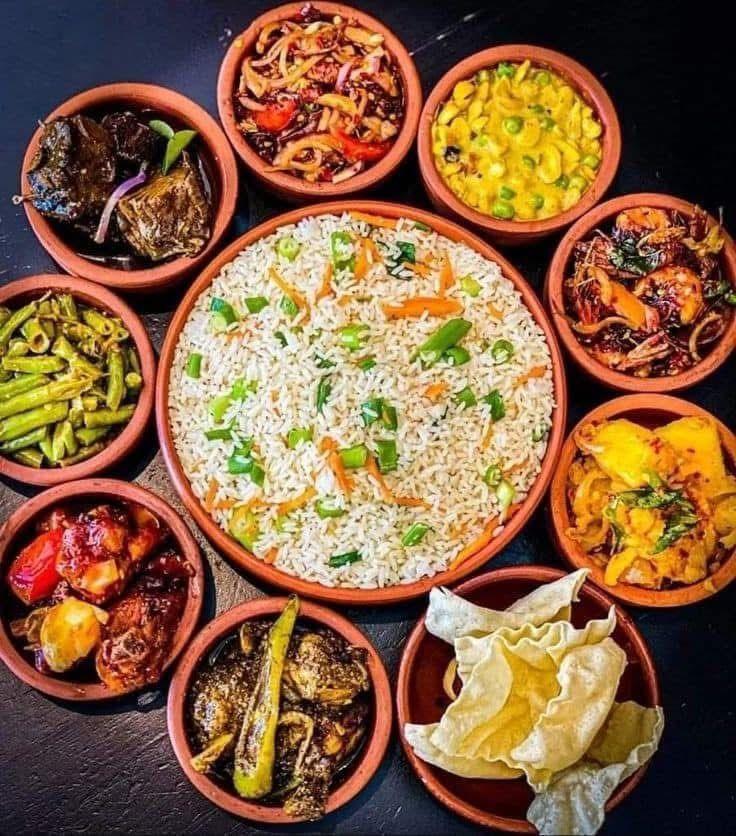
Sri Lankan food is one of the best reasons to visit the island. Rice and curry with half a dozen small dishes, crispy hoppers at breakfast, kottu clattering on a street griddle at night, and Jaffna crab curry in the north. The easiest way to understand it is to cook it: a home cooking class, a market walk with a local, or a tea factory tasting turns meals into some of the most memorable parts of a trip.
What Sri Lankan dishes should you try?
- Rice and curry: rice with dhal, two or three vegetable curries, a meat or fish curry, a sambol and papadam. The everyday lunch everywhere.
- Hoppers (appa): bowl-shaped rice-flour pancakes, often with an egg cooked inside. Best at breakfast or in the evening.
- String hoppers: steamed rice-noodle nests eaten with curry and pol sambol.
- Kottu roti: chopped flatbread stir-fried with vegetables, egg or meat. The sound of the metal blades is half the fun.
- Lamprais: a Dutch Burgher dish of rice and curries baked in a banana leaf.
- Jaffna crab curry: rich, peppery and famous across the island.
- Ambul thiyal: sour fish curry from the south coast.
- Watalappan and curd with treacle: the classic desserts.
Where can you take a cooking class?
Cooking classes run in most tourist areas, usually in family homes or small guesthouses. Popular spots include Ella, Kandy, the Galle and Mirissa coast, and villages around Sigiriya. A typical class takes three to four hours: you grate coconut, grind spices, cook four to six dishes and eat everything together.
You can find cooking classes and food experiences on VisitLanka and book directly with the host.
Food tours and markets
- Colombo: walk through Pettah Market for spices and street snacks, then eat isso vadai (prawn fritters) and short eats on Galle Face Green at sunset.
- Kandy: the central market is good for spices and fruit, and the town has some of the best curd and treacle stalls.
- Jaffna: try odiyal kool (a seafood soup), Jaffna-style dosa, palmyra sweets, and ice cream at the famous parlours near the bus stand. See the Jaffna guide.
- Mirissa and the south coast: fresh fish from the Mirissa fisheries harbour, grilled at beach restaurants in the evening.
Tea tasting and estate visits
Sri Lanka's tea country is a food experience in its own right. Visit a working factory such as Pedro Tea Estate near Nuwara Eliya or the Ceylon Tea Museum near Kandy to see how leaves become black tea, then taste the difference between high-grown and low-grown teas. See our factory visits guide for more.
How spicy is Sri Lankan food?
It can be very spicy, especially in local restaurants and in the north. Most places will cook milder for visitors if you ask for "less spicy" or "no chilli". Dhal, coconut sambol and rice cool things down. Vegetarians eat very well here, because many curries are vegetable-based.
Eating etiquette
Sri Lankans traditionally eat with the right hand, mixing rice and curry with the fingertips. Nobody minds if you use a spoon and fork, but trying with your hand is welcomed. Use your right hand for passing food and money. In homes, it is polite to accept a second helping.
Food safety tips
Drink bottled or filtered water. Eat at busy places where food turns over fast, and choose hot, freshly cooked dishes on the street. Peel fruit yourself, and go easy on raw salads in your first few days.
Add food stops, classes and tea estates to your route: Plan your Sri Lanka trip on VisitLanka.
Common questions
What is the national dish of Sri Lanka?
Rice and curry is generally considered the national dish. It is eaten daily across the island in endless regional variations.
Is Sri Lankan food vegetarian-friendly?
Very. Dhal, jackfruit, beetroot, pumpkin and green bean curries are everyday dishes, and most restaurants can make a full vegetarian rice and curry.
Where is the best place for a cooking class in Sri Lanka?
Ella, Kandy and the south coast have the most choice. The best classes are in family homes and include a market or garden visit.
What should I eat for breakfast in Sri Lanka?
Try hoppers, string hoppers with curry, or kiribath (coconut milk rice) with lunu miris, a spicy onion and chilli relish.
Is street food safe in Sri Lanka?
Generally yes if it is hot and freshly cooked. Choose busy stalls and avoid food that has been sitting out.