Factory visit
Factory visits in Sri Lanka: tea factory tours in Nuwara Eliya, Ella and Kandy, spice gardens, gem and craft workshops, and how to avoid hard-sell stops.
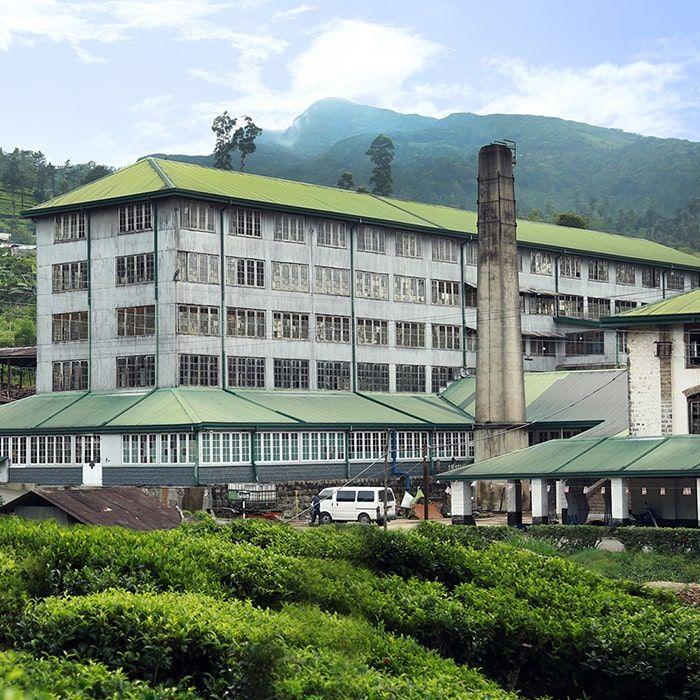
Factory visits in Sri Lanka are a quick way to understand what the island is famous for. A tea factory tour shows how fresh leaves become Ceylon tea in a single day, a spice garden explains cinnamon and cardamom, and workshops in Kandy and the south coast show batik, mask carving and gem cutting. Most visits are short, easy to add to a drive, and many are free or cheap, with a tasting or shop at the end.
What factories and workshops can you visit?
- Tea factories: the most popular visit by far. Pedro Tea Estate near Nuwara Eliya, the Ceylon Tea Museum near Kandy, and working factories around Ella, Haputale and Ramboda all welcome visitors.
- Spice gardens: around Matale on the road between Kandy and Dambulla, with guided walks through cinnamon, pepper, cardamom, vanilla and cocoa.
- Gem workshops and museums: Ratnapura is the centre of gem mining, and Kandy has gem museums where you can watch cutting and polishing.
- Batik workshops: in and around Kandy, where you can see wax-resist dyeing and sometimes try a small piece yourself.
- Mask carving: Ambalangoda on the south-west coast is famous for its painted wooden masks used in traditional dance.
- Cinnamon peeling: on islands in the Madu Ganga, part of a boat safari near Balapitiya.
What happens on a tea factory tour?
A guide walks you through each stage: withering, rolling, fermenting (oxidation), drying and grading. You see the old British-era machinery that many factories still use, and the smell of drying tea fills the building. Most tours finish with a cup of fresh tea and a chance to buy direct.
High-grown teas from Nuwara Eliya are light and floral, while Uva and Ella teas are stronger and more aromatic. Taste them side by side if you can.
Spice gardens: what to know
Spice garden tours are short, free walks with a guide who explains each plant and its uses in cooking and Ayurveda. They usually end with a sales pitch for oils, balms and spice packs, sometimes at high prices. Enjoy the walk, but only buy if you want to, and compare prices with supermarkets or markets in town.
Gem shops and workshops
Sri Lanka produces sapphires, rubies, moonstones and many other stones. Watching a cutter at work is interesting, but buying gems is a specialist decision. Only buy from established, licensed dealers, ask for a certificate from the National Gem and Jewellery Authority, and never buy stones on the street or from someone who approaches you.
Is a factory visit worth it?
Tea factories, yes, for almost everyone. They are the clearest way to understand the landscape you are travelling through. Spice gardens and craft workshops are worth a short stop if you are already passing, especially with children, but they are not worth a special detour.
Etiquette and practical tips
Ask before taking photos of workers. Wear closed shoes in factories, as floors can be slippery. Tea factories are hot inside the drying rooms, so dress lightly even in the hill country. Tipping your guide a little is appreciated if the tour was free.
Getting there
Most visits are along main routes: tea factories on the Kandy to Nuwara Eliya and Nuwara Eliya to Ella roads, spice gardens between Kandy and Dambulla, and mask workshops on the coast road to Galle. A private driver can stop wherever you like. For a deeper food angle, see our culinary experiences guide.
Add factories and workshops to the drive between your stops: Plan your Sri Lanka trip on VisitLanka.
Common questions
Which is the best tea factory to visit in Sri Lanka?
Pedro Tea Estate near Nuwara Eliya and factories around Ella are among the most popular. Any working factory gives a good tour, so pick one on your route.
Are tea factory tours free?
Many are free or charge a small fee, with a tasting at the end. Some estates offer longer paid tours with field walks and plucking.
How long does a tea factory visit take?
Most tours take 30 to 45 minutes. Allow an hour if you want time for tea and the shop.
Is it safe to buy gems in Sri Lanka?
It can be, if you buy from licensed dealers and get a certificate from the National Gem and Jewellery Authority. Avoid street sellers and pressure tactics.
Can children enjoy factory visits?
Yes. Tea factories and mask workshops are short, hands-on and full of things to see, which suits children well.