Whales and dolphins
Whale and dolphin watching in Sri Lanka: Mirissa, Trincomalee and Kalpitiya, the best months, blue whale chances and how to pick a responsible operator.
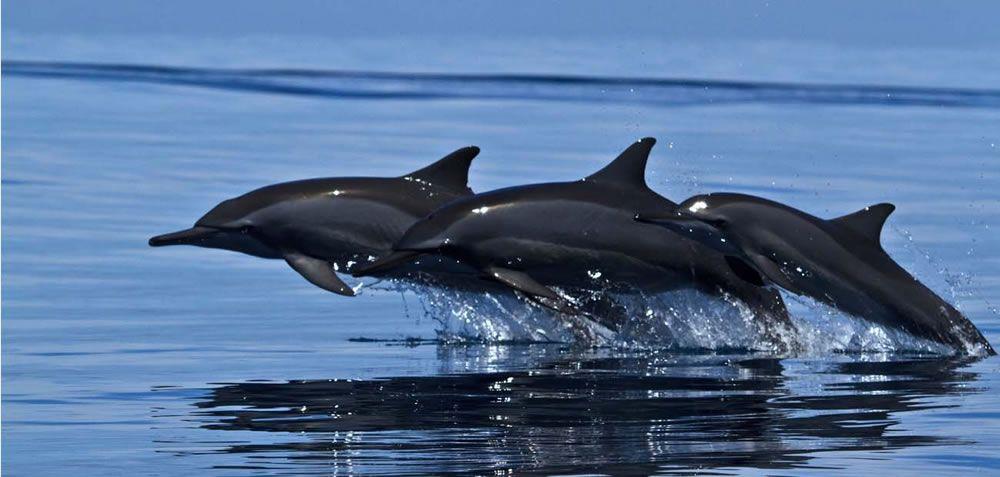
Sri Lanka is one of the best places in the world to see blue whales, the largest animals that have ever lived. Whale-watching boats leave from Mirissa on the south coast from about November to April, and from Trincomalee on the east coast from roughly May to September. Kalpitiya on the north-west coast is famous for huge pods of spinner dolphins in its winter season.
Where can you go whale watching in Sri Lanka?
- Mirissa: the main whale-watching port, with the most boats and the highest chance of blue whales. Boats leave from the Mirissa fisheries harbour. Sperm whales, Bryde's whales and spinner dolphins are also common.
- Trincomalee: on the east coast, with the continental shelf close to shore, so trips can be shorter. Blue whales and sperm whales pass in the east-coast season.
- Kalpitiya: a lagoon peninsula north of Negombo, known for very large pods of spinner dolphins and occasional sperm whales.
When is the best time to see whales?
| Location | Season | Main sightings |
|---|---|---|
| Mirissa | About November to April, best December to April | Blue whales, sperm whales, spinner dolphins |
| Trincomalee | About May to September | Blue whales, sperm whales, dolphins |
| Kalpitiya | About November to April | Spinner dolphin superpods |
Outside these months, monsoon seas make trips rough or impossible, and most boats do not go out. Sightings are never guaranteed, but in peak season most Mirissa trips see at least one whale.
What is a whale-watching trip like?
Boats leave early, usually around 6 to 7am, when the sea is calmest. From Mirissa, the boat may travel for an hour or more to reach deep water where whales feed, and a full trip often lasts four to six hours. Crew scan for blows (the spray when whales breathe) and dolphins riding the bow wave. Most boats serve a simple breakfast and water.
Trincomalee trips can be shorter because deep water is closer to the coast.
How to choose a responsible operator
Sri Lanka has rules for whale watching, including how close boats may go and how many boats may approach one animal. Not every operator follows them, and crowding stresses the whales. Choose an operator that:
- keeps a respectful distance and approaches slowly from the side, not head-on
- does not chase whales or cut across their path
- limits time with each whale and lets the animals leave
- has life jackets for everyone and a proper toilet on longer trips
- has a naturalist or guide who explains what you are seeing
Bigger, more stable boats are more comfortable in swell. Whale watching is a paid trip, so compare what is included before you book. You can find wildlife and safari operators on VisitLanka and contact them directly.
What to bring
Bring a hat, high-factor sun cream, sunglasses, a light jacket for the early start, water, and a dry bag for your camera. A zoom lens or binoculars help, because whales are often some distance away.
Can you swim with whales or dolphins?
No. Swimming with whales is not allowed in Sri Lankan waters, and reputable operators will not offer it. Enjoy them from the boat.
Where to stay
In Mirissa, stay close to the harbour or the main beach for an early pick-up. In Trincomalee, Uppuveli and Nilaveli beaches are the usual bases. Browse beach hotels and guesthouses on VisitLanka. After the trip, walk up Coconut Tree Hill or Parrot Rock for sunset.
Plan your whale trip around the right coast for your travel month: Plan your Sri Lanka trip on VisitLanka.
Common questions
What is the best month for whale watching in Mirissa?
December to April is the most reliable period, with calm seas and frequent blue whale sightings. November can be good but is less predictable.
Can you see blue whales in Sri Lanka?
Yes. Sri Lanka is one of the most reliable places in the world for blue whales, especially from Mirissa in the south-coast season.
How long is a whale-watching trip in Mirissa?
Usually four to six hours, depending on how far the boat must travel to find whales.
Is whale watching in Sri Lanka ethical?
It can be, if you choose operators that follow the distance and approach rules and do not chase whales. Ask how they approach animals before you book.
Where can I see dolphins in Sri Lanka?
Kalpitiya is famous for huge spinner dolphin pods. Spinner dolphins are also common on whale-watching trips from Mirissa and Trincomalee.