Farm experiences
Farm experiences in Sri Lanka: pluck tea, plant rice, walk spice and cinnamon gardens and stay on working farms, plus the best regions and seasons to go.
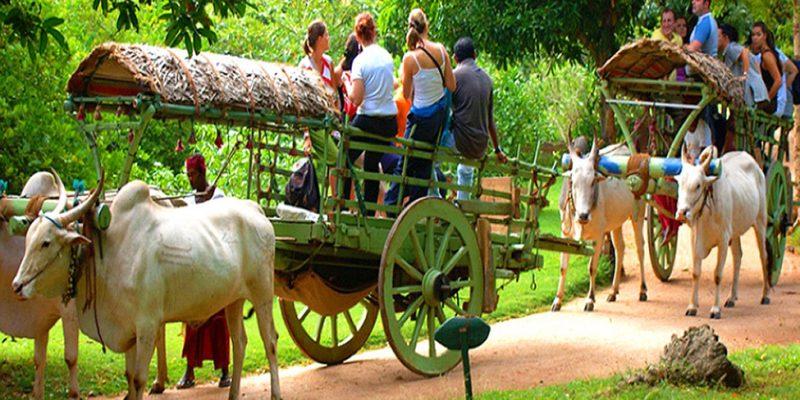
Farm experiences in Sri Lanka put you in the fields that feed the island. You can wade into a paddy field near Sigiriya, pluck tea with an estate team in the hill country, watch cinnamon being peeled on the south-west coast, or stay on a working farm and eat what was picked that morning. Rice and village farms are best in the Cultural Triangle, tea and vegetables in the hills, and cinnamon and coconut along the south-west. Most experiences take half a day.
What farm experiences can you do in Sri Lanka?
- Paddy farming around Sigiriya, Habarana and Dambulla. Walk the narrow bunds between rice fields, help plant seedlings or cut ripe rice depending on the season, then eat lunch with the family who farms them. Village tours at Hiriwadunna near Habarana often add a catamaran crossing of the village tank.
- Tea plucking in the hill country around Nuwara Eliya, Ella and Haputale. Some estates let you join the pluckers on the slopes in the morning, then follow the leaf into the factory. Pedro Tea Estate is the easiest factory to pair with a field walk.
- Spice and home gardens around Matale and Kandy. Pepper climbs the jak trees, with cardamom, cloves, nutmeg and cocoa growing underneath, in the layered Kandyan home garden style families have used for centuries.
- Cinnamon on the coast around Bentota and Balapitiya. Peelers strip the inner bark from freshly cut stems with small brass tools, then roll it into quills to dry in the shade.
- Vegetable and dairy farms in the cool hills. The slopes around Nuwara Eliya and the Ambewela plateau grow carrots, leeks, cabbages and strawberries, and dairy cattle graze the higher grassland.
- Coconut, kithul and buffalo curd. Coconut estates fill the "coconut triangle" between Kurunegala, Puttalam and Gampaha. In wet-zone villages such as those around Kitulgala, tappers climb kithul palms for the sap that becomes treacle. On the road to Yala, roadside stalls sell buffalo curd set in clay pots.
- Farm stays on working land, from simple homestays to eco-lodges, where you can join the morning jobs for a day or a week.
How is this different from a village tour or a factory visit?
A village tour is about daily life: cooking, homes, temples. A factory visit shows how tea or spices are processed. A farm experience is about the growing itself, and it is hands-on. Expect mud, sun and a proper appetite by lunch.
When is the best time for farm experiences?
| Experience | Where | When | Time needed |
|---|---|---|---|
| Rice planting | Sigiriya, Habarana, Polonnaruwa | Roughly October to December, and April to May | Half a day |
| Rice harvest | Sigiriya, Habarana, Polonnaruwa | Roughly February to March, and August | Half a day |
| Tea plucking | Nuwara Eliya, Ella, Haputale | All year, mornings | 2 to 3 hours |
| Spice gardens | Matale, Kandy | All year | 1 to 2 hours |
| Cinnamon peeling | Bentota, Balapitiya | All year | 1 to 2 hours |
| Farm stay | Hill country, Cultural Triangle | All year | 1 night or more |
Sri Lanka grows rice in two seasons. Maha, the main crop, is sown with the north-east monsoon rains and harvested early in the year. Yala, the smaller crop, is sown around April and harvested around August. Timing shifts by district and by rain, so ask your host what will be happening in the fields on your dates. Tea is plucked all year, with each bush picked again every week or so.
How do you book a farm experience?
Most farm experiences are run by families or small local hosts, not big operators. Agree beforehand what is included: how hands-on it is, whether lunch is part of it, and whether you need transport. Small groups are better. A farmer can show three people how to plant rice; thirty people just trample the field.
You can find cultural and village experiences, food and culinary experiences and eco-lodges on VisitLanka and contact hosts directly. Hotels can also be a way in: Jetwing Kaduruketha near Wellawaya is built around 60 acres of working paddy.
For a more structured visit, the Gannoruwa Agricultural Park outside Peradeniya, near Kandy, is the government's agricultural research centre, with crop gardens and demonstration plots. Check visiting days before you go.
What to bring
A wide hat, long sleeves, high-factor sun cream and plenty of water, because fields have no shade. Bring insect repellent for the evenings. On tea estates in wet months, leech socks or a little salt help on the paths. A small towel and a bag for muddy clothes save your driver's seats.
Safety on farms
Walk where your host walks. Snakes shelter in the grass along paddy edges and stone walls, and the farmers know where to step. Do not swim in village tanks, since some have crocodiles. Hill paths on tea estates get slippery after rain, so wear shoes with grip.
Etiquette and responsible practice
Paddy bunds hold someone's crop, so stay on them and do not cut across fields. Tea plucking is hard, paid work for the estate families who do it, many of them Tamil households who have lived on the estates for generations. Ask before taking photos, and ask your guide whether a small tip to the plucker you worked alongside is appropriate. Buy produce, honey, treacle or spices straight from the farm rather than at a roadside shop your driver picks. Skip any tour that bundles in an elephant ride.
Getting there
Most farms are in rural areas with little public transport. A private driver makes it easy to fit a farm morning around nearby sights: rice fields before Sigiriya, a tea estate between Nuwara Eliya and Ella, or cinnamon on the way down the coast to Galle. Many farm stays can arrange pick-up from the nearest town.
Fit a morning in the fields into your route and send enquiries to hosts from your itinerary: Plan your Sri Lanka trip on VisitLanka.
Frequently asked questions
Can I pick tea in Sri Lanka?
Yes. Some estates around Nuwara Eliya, Ella and Haputale let visitors join the pluckers for a short session, usually in the morning. Ask in advance, since it depends on the estate and the day's work.
When is the rice harvest in Sri Lanka?
The main harvest is roughly February to March, with a smaller one around August. Exact timing varies by district and rainfall, so check with your host.
Can I volunteer on a farm in Sri Lanka?
A short paid farm experience is fine on a tourist visa. Longer volunteering or work arrangements may need a different visa, so check the rules with the Department of Immigration and Emigration first.
Are farm experiences good for children?
Very. Planting rice, feeding a calf or tasting fresh cinnamon bark is the kind of thing children remember. Keep them close in the fields and bring a full change of clothes.
Where are the spice gardens in Sri Lanka?
Mostly around Matale, on the road between Kandy and Dambulla, with more around Kandy itself. Many are short guided walks that end in a shop, so buy only what you want.
Is a farm stay worth it?
If you like slow travel, yes. One night on a working farm gives you an early morning in the fields, home-cooked meals and conversation you will not get at a hotel.