Snorkelling and diving
Snorkelling and diving in Sri Lanka: Pigeon Island, Hikkaduwa, Bar Reef and the east coast wrecks, which coast to pick by month, and how to dive safely.
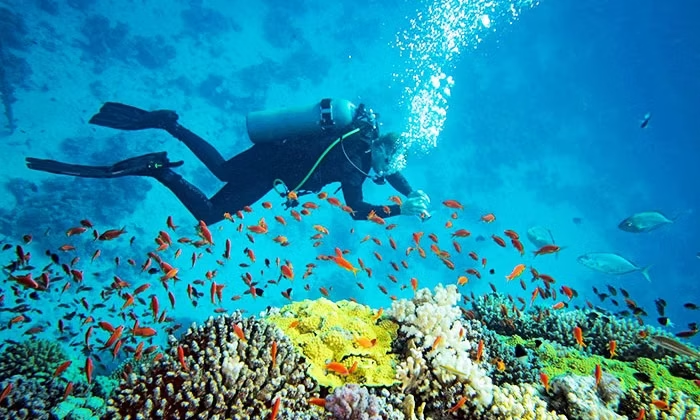
Snorkelling and diving in Sri Lanka follow the monsoons. From roughly November to April, head to the west and south coasts: Hikkaduwa, Unawatuna, Weligama and Kalpitiya. From roughly May to September, switch to the east coast, where Pigeon Island near Trincomalee has some of the island's best snorkelling and Batticaloa has wrecks including HMS Hermes, the first ship ever designed as an aircraft carrier. Water is warm all year, around 27 to 30°C.
Which coast should you pick?
| Location | Coast | Best season | Best for | Level |
|---|---|---|---|---|
| Pigeon Island, Nilaveli | East | Roughly May to September | Snorkelling, reef sharks, turtles | Beginner |
| Trincomalee | East | Roughly May to October | Reef dives, courses | All levels |
| Pasikudah and Batticaloa | East | Roughly May to September | Calm bay, deep wrecks | Beginner to technical |
| Hikkaduwa | South-west | Roughly November to April | Reef snorkelling, turtles, wrecks | All levels |
| Unawatuna and Jungle Beach | South | Roughly November to April | Snorkelling from the beach | Beginner |
| Weligama | South | Roughly November to April | Gentle snorkelling, reef dives | Beginner to intermediate |
| Kalpitiya Bar Reef | North-west | Roughly December to April | Big reef, few people | Intermediate |
Out of season, monsoon swell churns up the water and makes boat trips rough or impossible, and most dive centres on that coast close.
Best places to snorkel
- Pigeon Island National Park: a small marine park about 15 minutes by boat from Nilaveli beach, north of Trincomalee. The shallow reef has blacktip reef sharks, which are harmless to people, plus green and hawksbill turtles and big shoals of reef fish. It is a paid national park, and boats and tickets are arranged at Nilaveli. In peak months it gets crowded by late morning, and parts of the shallow reef show damage from people standing on coral. Stay at Nilaveli for the easiest start.
- Hikkaduwa: the coral sanctuary sits just off the main beach in Hikkaduwa, so you can swim out without a boat. Green turtles graze close to shore. Bleaching and heavy use have damaged parts of the reef over the years, so expect good fish life rather than perfect coral.
- Unawatuna and Jungle Beach: calm, clear water in season at Unawatuna Beach, and a small reef at Jungle Beach, a short walk through the trees near Unawatuna.
- Weligama: a wide, shallow bay in Weligama that suits families and nervous swimmers, with reef around the rocks offshore.
- Bar Reef, Kalpitiya: one of Sri Lanka's largest reef systems, reached by boat from Kalpitiya. It is far quieter than the south. Combine it with the spinner dolphin trips covered in our whales and dolphins guide.
Best places to dive
West and south coast (roughly November to April)
- SS Conch, Hikkaduwa: an oil tanker that sank in 1903, now lying at about 21 metres with its boilers still visible. One of the most popular wreck dives on the island.
- Galle and Colombo wrecks: the SS Rangoon off Galle, and the Pecheur Breton cargo wreck and Thermopylae Sierra off Colombo, for certified divers.
- Prince Heinrich Patch, Weligama: rocks and small caves at around 20 metres, with a chance of manta rays.
East coast (roughly May to October)
- Swami Rock, Trincomalee: the cliff below Koneswaram Temple drops into the sea, with rays, schooling fish and pieces of old temple masonry on the seabed.
- Navy Island, Trincomalee: a long, shallow reef used for training, good for first dives and courses.
- HMS Hermes, Batticaloa: sunk by Japanese aircraft in April 1942. It is a deep dive for experienced and technical divers only, with only a few centres running trips.
- British Sergeant, Pasikudah: a tanker sunk in the same 1942 raid, in shallower water off Pasikudah, near Batticaloa.
The Great Basses Reef off the south-east coast has wrecks and strong currents. It has a short calm-weather window each year and suits experienced divers with a specialist operator.
Learning to dive in Sri Lanka
PADI and SSI dive centres run courses in Hikkaduwa, Unawatuna, Weligama, Trincomalee and Pasikudah. An Open Water course usually takes three to four days, and most agencies accept juniors from 10 years old. Before you book, ask about instructor-to-student ratios, the condition of the equipment, and whether the boat carries oxygen and a first-aid kit. You can find tour and experience operators on VisitLanka and contact them directly.
Safety
- Check your travel insurance covers scuba diving and the depths you plan to dive.
- Sri Lanka's recompression chamber is run by the Sri Lanka Navy in Trincomalee. Ask your dive centre what its emergency plan is, especially on the south coast.
- Leave at least 18 to 24 hours between your last dive and a flight home.
- Never snorkel off a beach out of season. Monsoon swell brings strong currents, and red flags mean stay out.
- Wear reef shoes or fins in shallow water, where sea urchins are common.
Responsible snorkelling and diving
Do not touch, stand on or kick the coral. Do not feed fish or turtles, even the turtles at Hikkaduwa that people hand seaweed to. Leave shells and coral where they are. Wear a rash vest instead of lots of sun cream, or use a reef-safe one. Choose boat operators that tie up to moorings rather than dropping anchor on the reef.
Getting there
Hikkaduwa is about 100 km south of Colombo, around two hours by the Southern Expressway or a little longer by the coastal train. Trincomalee is about 260 km from Colombo, roughly six hours by road. Kalpitiya is about 160 km north of Colombo, three to four hours by road. A private driver is the simplest way to reach the east coast, and you can find beach hotels and guesthouses near each reef on VisitLanka. If you also want waves, the same coasts are covered in our surfing guide.
Pick the right coast for your travel month and plan the beach legs around it: Plan your Sri Lanka trip on VisitLanka.
Frequently asked questions
When is the best time to snorkel in Sri Lanka?
November to April on the west and south coasts, and May to September on the east coast. Timing shifts a little each year with the monsoon, so check local conditions before you go.
Can you see sharks at Pigeon Island?
Yes. Blacktip reef sharks are often seen around Pigeon Island. They are small, shy and harmless to snorkellers if you keep your distance.
Do I need to be a strong swimmer to snorkel at Pigeon Island?
No, the main reef is shallow and life jackets are usually available. Stay in the marked areas and go with a guide if you are not confident.
Is Sri Lanka good for beginner divers?
Yes. Warm water, shallow reefs like Navy Island and Hikkaduwa, and many dive schools make it an easy place to learn, as long as you dive on the right coast for the season.
Can you dive the HMS Hermes wreck?
Yes, but only if you are an experienced, deep-certified or technical diver. The wreck lies deep off Batticaloa and only a few centres run trips there.
Is there a recompression chamber in Sri Lanka?
Yes. The Sri Lanka Navy runs a recompression chamber at its diving unit in Trincomalee, which has treated visiting divers. Make sure your insurance covers diving.